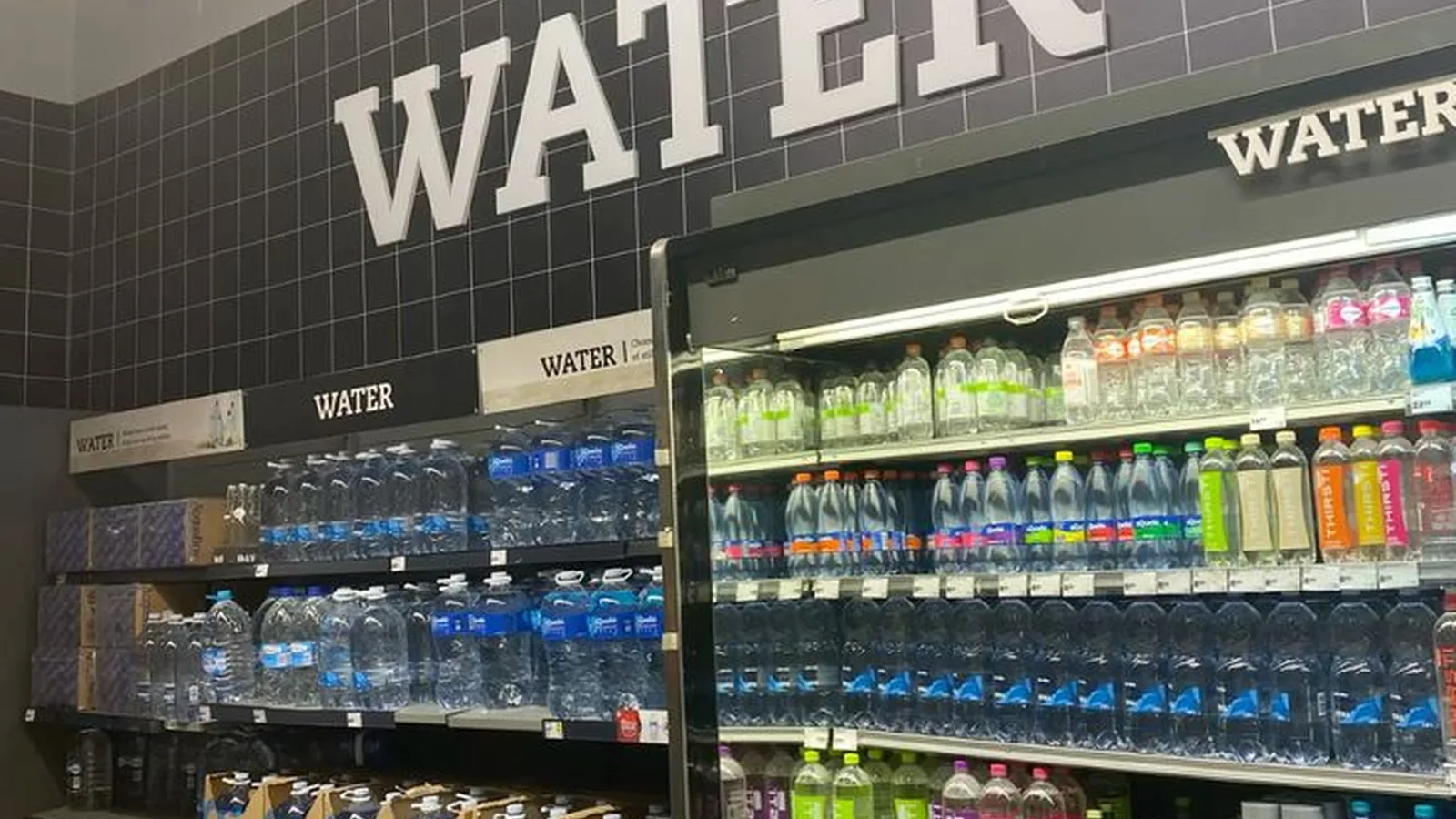
If you walk into a New York City deli, pharmacy, convenience store, or grocery store, the water shelf can look oddly complicated. You may see purified, spring, mineral, sparkling, electrolyte, distilled, and more. The good news is that for most tourists, the choice is simpler than it looks.
The short answer: if you just want normal still water for walking around NYC, buy purified water or spring water. Both are common, easy to drink, and suitable for ordinary sightseeing. The better choice often comes down to whether you prefer a more neutral taste or a more “natural source” label. The U.S. Food and Drug Administration regulates bottled water, while New York City says its tap water is safe and is tested constantly across the five boroughs. In other words, bottled water is usually about convenience, portability, and personal preference rather than necessity. FDA, NYC DEP FAQ, NYC Water
The simplest recommendation
If you just want normal water, choose this type
Choose still purified water or still spring water.
- Pick purified water if you want a clean, neutral taste and do not care much about source marketing.
- Pick spring water if you prefer water labeled as coming from a natural spring and do not mind a slightly different taste depending on the brand.
- Avoid sparkling water if you do not want bubbles.
- You usually do not need electrolyte water for normal city walking unless you specifically want it.
For a typical day of museums, subways, shopping, and outdoor walking, plain still water is enough for most people. That means the fancy terms on many bottles are often optional, not essential. FDA
Quick comparison table
| Water Type | Taste | Best For | Typical Cost Level |
|---|---|---|---|
| Purified water | Neutral, clean | Everyday sightseeing, anyone who just wants normal water | Low to medium |
| Spring water | Mild, sometimes slightly more mineral-tasting | Everyday sightseeing, people who prefer “natural spring” water | Low to medium |
| Mineral water | Noticeably mineral taste; sometimes stronger | People who specifically like mineral flavor | Medium to high |
| Sparkling water | Fizzy, bubbly | Meals, people who prefer carbonation | Medium to high |
| Electrolyte water | Usually plain or very smooth; branding varies | People who specifically want added electrolytes | Medium to high |
Store, neighborhood, bottle size, and whether you buy single bottles or multipacks can change the price a lot. Pharmacy chains themselves note that prices may vary from online to in store, which is one reason tourists should think in relative terms rather than fixed prices. Walgreens, CVS
What the main water types mean
Purified water
Under FDA labeling rules, bottled water may be labeled purified water if it has been treated by processes such as distillation, deionization, demineralization, or reverse osmosis. In practice, this is often the most straightforward “normal water” option in U.S. stores. It usually tastes neutral because many dissolved substances have been removed during treatment. FDA, FDA Consumer Update
Common examples you may see in New York-area chain stores include Dasani, Aquafina, Smartwater, Essentia, LIFEWTR, and some store brands. FDA sample-brand information and major pharmacy listings show these brands in purified or distilled-with-minerals-added categories. FDA sample brand list, Walgreens water listings, CVS water listings
Spring water
Spring water must meet a source-based definition under FDA rules. For shoppers, the practical meaning is simple: the label is emphasizing that the water comes from a spring rather than mainly from a purification process. Some people prefer the taste; others notice little difference. FDA, FDA Consumer Update
Common examples include Poland Spring, Deer Park, Evian, Acqua Panna, Crystal Geyser, and Icelandic Glacial. Availability varies by store, but these are all brands shown in FDA sample-brand data or large U.S. retail listings. FDA sample brand list, Walgreens water listings, CVS Poland Spring listings
Mineral water
Mineral water is different from ordinary purified water because the label is tied to naturally present minerals and a specific source definition under FDA rules. For a tourist, the key point is taste: mineral water often has a more distinctive flavor than purified or standard spring water. Some people love it; others think it tastes “harder” or saltier. FDA
Common examples include Gerolsteiner and San Pellegrino when sold in mineral-water formats; some are also carbonated. FDA sample brand list
Sparkling water
This is the category that confuses many visitors. In everyday shopping language, sparkling water means fizzy water. But under FDA rules, products labeled sparkling bottled water are distinct from products such as seltzer, club soda, soda water, and tonic water, which FDA historically regulates as soft drinks rather than bottled water. For the average tourist, the practical advice is easy: if you want no bubbles, do not buy anything labeled sparkling, seltzer, club soda, or tonic. FDA, FDA Consumer Update
Common examples you may see include Perrier, San Pellegrino, Topo Chico, and store-brand sparkling waters. FDA sample brand list, Walgreens water listings
Electrolyte water
Some bottles highlight electrolytes, often minerals such as sodium and potassium. FDA notes that nutrient-added water beverages may include electrolytes, and those ingredients must be listed on the label. This does not automatically mean the water is necessary for a normal day of tourism. For most city walking, ordinary still water is fine. Electrolyte water is mainly a preference product unless you specifically want that formulation. FDA
Examples often seen in U.S. stores include Essentia, Smartwater varieties, LIFEWTR, and some branded “enhanced” waters. FDA sample brand list, Walgreens water listings
Common label terms tourists may see
These terms sound technical, but most are simple once you know the basics.
“Still”
This means not carbonated. If a bottle does not say sparkling and looks like ordinary water, it is usually still.
“Purified”
The water has been treated by an accepted purification process such as reverse osmosis or distillation. Expect a neutral taste. FDA
“Distilled”
A form of purified water. Distillation is one of the treatment methods the FDA recognizes for purified water labeling. FDA
“Reverse osmosis”
Another purification method. If you see it on the label, it usually means the brand is emphasizing processing rather than natural-source identity. FDA
“Minerals added for taste”
This usually appears on some purified waters. It generally means the water was purified first and then certain minerals were added back to improve flavor. That helps explain why some purified waters taste slightly different from each other. FDA sample-brand data shows examples such as Dasani, Smartwater, and Essentia in purified or distilled categories with minerals added. FDA sample brand list
“Natural spring” or “100% natural spring water”
This means the brand is selling itself as spring water from a defined source, not simply as purified municipal water. FDA Consumer Update
“Artesian”
This refers to water from a well tapping a confined aquifer under pressure. It is a real regulatory term, but for most tourists it is mainly a source description, not a sign that the bottle is automatically better for everyday use. FDA
“Electrolytes added”
The bottle contains added minerals such as sodium or potassium. This is common in enhanced waters. FDA
“Alkaline”
You may see this on some premium bottles. For ordinary sightseeing, this is usually a preference purchase rather than a necessity. If you just want standard hydration, plain still purified or spring water is simpler.
Common brands you may see in New York stores
Selection changes by neighborhood and store size, but visitors commonly encounter a mix like this:
- Purified water: Dasani, Aquafina, Smartwater, Essentia, LIFEWTR, store brands FDA sample brand list, Walgreens water listings
- Spring water: Poland Spring, Deer Park, Evian, Crystal Geyser, Acqua Panna, Icelandic Glacial FDA sample brand list, CVS Poland Spring listings
- Artesian water: Fiji and some specialty brands FDA sample brand list
- Sparkling/mineral options: Perrier, San Pellegrino, Gerolsteiner, Topo Chico, Polar, LaCroix, store brands FDA sample brand list, Walgreens water listings
You do not need to memorize brands. The easiest method is to read just two things on the bottle: still or sparkling, and purified or spring.
Which type is best for ordinary sightseeing and walking around NYC?
For normal tourism, the best choice is usually:
- Still purified water, or
- Still spring water.
That is the answer for most visitors spending the day walking, riding the subway, visiting attractions, or sitting in parks. You usually do not need mineral water, sparkling water, or electrolyte-enhanced water unless you actively prefer them. Sparkling water is fine if you enjoy bubbles, but many tourists buy it by mistake when they expected plain water.
If you are unsure in a store, a safe approach is:
- look for “purified water” or “spring water”
- make sure it does not say sparkling, seltzer, club soda, or tonic
- choose a size that is easy to carry while walking
Why bottled water can be much more expensive in tourist-heavy areas
Tourists often notice that a bottle costs much more near major attractions, transportation hubs, and dense commercial streets than in a supermarket or ordinary neighborhood store. That usually reflects location and convenience, not a better type of water.
A few common reasons:
- High-rent locations: stores near Times Square, major museums, and big transit areas often have higher operating costs.
- Convenience pricing: when customers want a cold bottle immediately, stores can charge more.
- Smaller-format stores: tiny delis and souvenir-area shops often have less shelf space and higher per-item pricing.
- Single-bottle purchases: buying one cold bottle usually costs more per ounce than buying a multipack in a grocery or pharmacy.
- Brand and packaging differences: imported, sparkling, glass-bottle, or premium-branded waters often cost more.
Major chains also warn that prices vary by store and channel, which supports the basic tourist rule: expect the same water to cost more in busy visitor areas than in a regular supermarket. Walgreens, CVS
Is NYC tap water drinkable?
Generally, yes. New York City says its drinking water is safe, clean, and healthy, and its water system is tested continuously. The city also says there is no need to buy bottled water in NYC if you have a reusable bottle and access to a tap. NYC DEP FAQ, NYC Water, NYC Drinking Water Supply & Quality Report
That said, buying bottled water can still be convenient when:
- you do not have a reusable bottle
- you want cold water immediately
- you are spending long hours outside and do not want to search for a refill point
- you are heading onto the subway, a bus, or a long walk
- you prefer sealed bottled water for travel convenience
One important nuance: New York City also notes that private building plumbing and service lines can affect water at an individual tap, including potential lead issues in some buildings. That does not change the general message that NYC tap water is drinkable, but it helps explain why some travelers still prefer bottled water in specific situations. NYC Lead-Free Water information
Bottom line
For most tourists in New York City, the easiest choice is still purified water or still spring water. If you just want ordinary hydration while sightseeing, either is suitable. Purified water is often the safest simple pick if you want a neutral taste; spring water is just as practical if you prefer it.
Do not overthink the shelf. Read the label for three things:
- Still, not sparkling
- Purified or spring
- A bottle size you can carry easily
And remember: NYC tap water is generally drinkable, so bottled water is mainly a convenience purchase, not usually a requirement. If you buy near major tourist spots, expect to pay more for that convenience.
Planning a laptop-friendly coffee break between sightseeing stops? See our guide to NYC cafes that are actually good for working on a laptop. Arriving early with bags in tow? See where to store luggage in NYC before check-in.
Sources
- U.S. Food and Drug Administration: FDA Regulates the Safety of Bottled Water Beverages Including Flavored Water and Nutrient-Added Water Beverages
- U.S. Food and Drug Administration: Bottled Water Everywhere: Keeping it Safe
- NYC Department of Environmental Protection: Drinking Water FAQs
- NYC Department of Environmental Protection: NYC Water
- NYC Department of Environmental Protection: Drinking Water Supply & Quality Report
- NYC Lead-Free Water information
- FDA sample brand information for bottled water testing
- Walgreens bottled water listings
- Walgreens water category note on price variation
- CVS bottled water listings
- CVS Dasani brand page note on price variation
- CVS Poland Spring listings