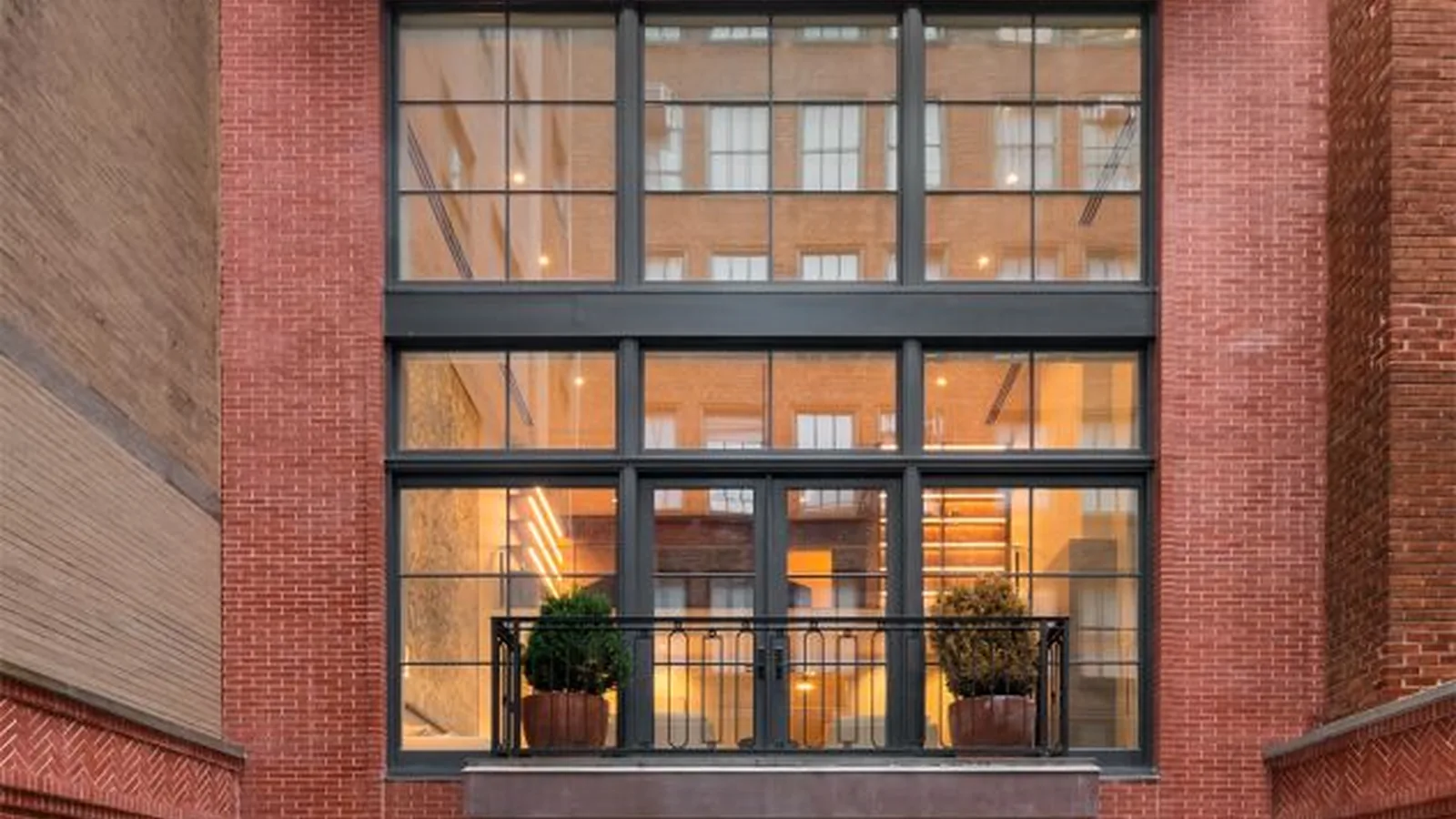
If you have ever wanted to step inside a landmarked office tower, tour critical infrastructure, or see parts of New York City that are usually off-limits, Open House New York is the event to know. The nonprofit behind it exists to promote public access to the city and to help New Yorkers better understand the places, systems, and ideas that shape urban life. Through year-round programming and its signature annual festival, it opens doors to spaces that are often closed to the public or hard to visit on an ordinary day. Open House New York’s mission describes this work as expanding access to the city through education, exploration, and civic engagement.
What Open House New York is
Open House New York, often shortened to OHNY, is a nonprofit organization founded in 2001 by architect Scott Lauer. According to the organization’s official history, it emerged in the aftermath of September 11 as an argument for openness and access in a city where security concerns were closing many spaces off. The first Open House New York Weekend was held in 2003 during the city’s first Architecture Week. OHNY’s About page says that inaugural festival included 84 sites across all five boroughs and has since grown into a much larger citywide event.
Today, OHNY presents a mix of year-round programs and one marquee annual festival. The best-known piece is OHNY Weekend, when participating buildings, campuses, civic facilities, cultural institutions, and infrastructure sites host tours, talks, walks, performances, and open access sessions. The organization says the festival now includes 300-plus destinations and extensive free programming spread across the city. The festival overview and the 2026 OHNY Weekend page both describe it as a three-day, five-borough event focused on design, culture, and infrastructure.
When you can visit normally closed NYC spaces
The main time to visit normally closed or rarely accessible New York City spaces through OHNY is during Open House New York Weekend, held each October. For 2026, the official dates are October 16–18, 2026. The organization’s 2026 OHNY Weekend event page, festival page, and visitor information page all list those dates.
That means if you are planning around the event, the short answer is: look for OHNY Weekend in October, and check the official lineup in September. For 2026, OHNY says the full public lineup will be revealed on September 25, 2026, with ticket release on October 2, 2026. Those key planning dates appear on the official Visitor Info page.
What kinds of places open during OHNY Weekend
The appeal of OHNY is that it is not limited to museums or standard tourist attractions. Depending on the year, the lineup can include:
- historic buildings and landmark interiors
- private office buildings and residential spaces participating for the festival
- architecture and design studios
- infrastructure such as transportation, utilities, waterfront, or industrial sites
- civic buildings and public institutions
- houses of worship, schools, and cultural spaces
- neighborhood walks, talks, and behind-the-scenes programs
OHNY’s official materials frame the event broadly as a way to explore the city through design, culture, and infrastructure, not just architecture in a narrow sense. The 2026 event page specifically says the festival unlocks sites across the city for tours, talks, and exploration.
This is why the event is useful both for residents and visitors. It can be a chance to see famous places from a new angle, but it can also expose you to systems that are usually invisible, such as how neighborhoods are planned, maintained, and connected.
Are all OHNY sites free?
Most are free, but not every access method is the same. OHNY states that most festival sites are open free of charge. However, some locations are Drop-In and some are ticketed because of capacity or security limits. The 2026 OHNY Weekend page and the Visitor Info page both explain that visitors can simply show up at Drop-In sites during open hours, while ticketed locations require advance access.
That distinction matters because some of the most unusual or tightly controlled places may have limited entry windows, advance registration, or stricter visitor rules. If a site is especially small, operationally sensitive, or security-conscious, you should expect tickets or timed admission rather than open-ended entry.
How to plan for OHNY Weekend
1. Watch for the lineup release
The exact sites change every year. Do not assume that a place open one year will be available the next. OHNY’s official planning calendar says the public reveal of the 2026 lineup is September 25, 2026. Use that date as the moment to start building your schedule from the confirmed list on the official site. See the 2026 lineup page and Visitor Info.
2. Check whether a site is Drop-In or ticketed
This is the biggest practical difference for visitors. Drop-In sites are more flexible but may still involve lines. Ticketed sites can fill quickly once reservations open. For 2026, OHNY lists October 2, 2026 as the ticket release date on its Visitor Info page.
3. Build a borough-based route
Because the festival spans all five boroughs, it is smart to cluster visits by neighborhood rather than chase scattered highlights across the city. A realistic route saves transit time and makes it easier to fit in backup options if a line is long or a program reaches capacity.
4. Expect changes
OHNY specifically warns that the lineup can change before and during the festival, including additions and cancellations. That notice appears on the official Visitor Info page. Recheck listings shortly before heading out.
5. Read site-specific rules
Even when admission is free, participating locations may impose age restrictions, accessibility limits, bag rules, photography limits, or ID requirements. Those details vary by site and are usually tied to security, building operations, or physical constraints.
Is OHNY only one weekend a year?
The major public access event is the annual OHNY Weekend, but the organization also runs year-round programming. OHNY’s mission page says its work extends beyond the festival into ongoing events and educational programs connected to the city’s architecture, infrastructure, and public life. See the About page.
Still, if your goal is specifically to visit normally closed NYC spaces in large numbers, the annual October festival is the primary opportunity. Year-round events can be valuable, but they are not the same as the citywide concentrated access that happens during OHNY Weekend.
Why the event matters
OHNY is more than a sightseeing weekend. Its official mission ties public access to larger civic questions: who the city serves, how it functions, and how quality of place affects quality of life. The organization also emphasizes infrastructure, equity, and climate issues in its programming. Those themes are outlined on the About page.
That broader framing helps explain why the event resonates with people who are not architects. You do not need technical training to enjoy seeing a hidden courtyard, a landmark interior, or an operations space that is usually restricted. The value is partly visual, but it is also civic. You come away with a better sense of how New York is built, maintained, and experienced.
A brief sense of scale
OHNY’s own materials show how large the event has become. Its About page says the festival now includes more than 250 destinations and 1,000 hours of free programming, while the current 2026 festival materials describe 300-plus destinations. OHNY’s 2025 annual report says the 2025 festival delivered 1,175 hours of free programming and engaged nearly 50,000 participants. See the About page, the 2026 festival page, and the 2025 annual report PDF.
The exact numbers can vary year to year, but the pattern is clear: this is one of the city’s most substantial public programs for behind-the-scenes access.
Common misconceptions
It is not just for tourists
The event is citywide and neighborhood-based, so many of the most interesting experiences are valuable precisely because they help residents understand their own borough or a different part of the city.
It is not limited to famous landmarks
Well-known buildings can be part of the lineup, but OHNY also highlights everyday systems, overlooked spaces, and places whose importance is operational rather than iconic.
It is not always open access without planning
Some people hear “open house” and assume everything is walk-in. In practice, some sites are drop-in and others require tickets. The official planning pages make that distinction clear. See Visitor Info.
Bottom line
Open House New York is a nonprofit and annual citywide festival that gives the public access to architecturally, historically, and civically significant places across New York City, including spaces that are often closed or difficult to visit. The main opportunity to see those normally closed spaces is OHNY Weekend, which takes place each October. For 2026, the official dates are October 16–18, 2026, with the full public lineup scheduled for September 25, 2026 and ticket release on October 2, 2026. If you want behind-the-scenes access in NYC, this is the key event to watch.