If you are used to transit systems with a flat fare, NJ TRANSIT’s bus fares can feel confusing at first. The key idea is simple: on many NJ TRANSIT bus trips, your fare depends on how far you travel, and distance is measured in zones rather than by counting miles or stops. The number of zones matters even more when you are traveling between New Jersey and New York City, because interstate fares and boarding rules can differ from local New Jersey bus travel.
The safest rule for first-time riders is this: before you buy, know your route, your direction of travel, and how many zones your trip covers. NJ TRANSIT specifically tells riders that bus fare depends on the number of travel zones and whether you are transferring, and that riders boarding at the Port Authority Bus Terminal or George Washington Bridge Bus Station in New York must buy a ticket before boarding rather than paying cash on the bus. NJ TRANSIT’s bus riding guide and fare guide both stress these points.
What a bus “zone” means in simple language
A zone is a fare section on a bus route. As the bus travels, the route map is divided into sections. Each time your trip crosses a zone boundary, the fare goes up by another zone. NJ TRANSIT explains this directly on route timetables that include fare information and zone maps. For example, the schedule for routes 196/197/198 says your fare is based on the number of zones you travel through and that each time you cross a zone boundary, you must pay for another zone. NJ TRANSIT route schedule PDF.
So instead of asking, “How many miles am I going?” you ask, “How many fare zones does this trip cross?”
That is why two bus trips on the same route can cost different amounts. Someone riding a short distance within New Jersey may need only a small number of zones, while someone staying on the same route all the way into Manhattan may need an interstate ticket covering more zones.
Why you need to know your destination before buying
With zone-based fares, the ticket is tied to how far you are going, not just to the fact that you are boarding a bus. That means you usually need to know your destination, or at least your stop, before buying.
NJ TRANSIT says riders should know the number of zones they need before purchasing a bus ticket, and some fare media also require you to tell the operator your destination so the correct fare can be charged. For example, riders using FARE-PAY are told to tap the card and inform the operator of the destination so the right amount is deducted.
In practice, your destination matters because of three separate questions:
- Which route are you taking?
- Is the trip intrastate or interstate?
- How many zones are between your boarding stop and your destination?
If you do not know those answers, it is easy to buy the wrong ticket.
Local New Jersey travel vs. interstate travel to New York City
This is one of the biggest points first-time riders miss.
Intrastate: travel within New Jersey
If your trip begins and ends in New Jersey, it is usually an intrastate trip. NJ TRANSIT has intrastate monthly passes for travel within New Jersey, and for intrastate bus travel some transfers can be purchased from the bus operator and used within the stated rules. NJ TRANSIT’s rider guide says these bus transfers are for intrastate travel only and are not available for travel to or from New York City or Philadelphia. Rider Guide for Bus Customers.
Interstate: travel between New Jersey and New York City
If your bus crosses the Hudson and goes to Manhattan, that is usually interstate travel. NJ TRANSIT has separate interstate fare treatment and interstate monthly passes for rides between New Jersey and New York City or Philadelphia. NJ TRANSIT rider guide.
If you are deciding between the bus and driving yourself, it is worth checking whether New Jersey drivers have to pay NYC’s congestion pricing toll first — for many Manhattan destinations, the bus avoids that charge entirely.
Interstate travel also comes with important boarding rules. NJ TRANSIT says riders departing from the Port Authority Bus Terminal or George Washington Bridge Bus Station in New York must have a ticket or pass before boarding. NJ TRANSIT repeats this rule on its bus riding page, fare guide, and route PDFs. How to Ride - Bus, Fare Guide, example route PDF.
How to figure out the correct number of zones
For NJ TRANSIT, the most reliable way is to use the official route schedule and fare information for your exact bus line.
Method 1: Check the route’s official PDF schedule
NJ TRANSIT’s fare guide tells riders to go to the bus schedule page, select the route, and open the PDF schedule. Those PDFs typically include a route map, zone boundaries, and a fare table for that route or group of routes. Fare Guide.
On the schedule, look for:
- your boarding point
- your destination
- the route map
- zone boundary lines or zone numbers
- whether the fare table is labeled within New Jersey or to/from New York
Then count how many zones your trip covers.
Method 2: Use the NJ TRANSIT app trip and ticket flow
The NJ TRANSIT app lets riders plan trips, buy tickets and passes, and check real-time arrivals. In the app, you can tap Buy, choose Bus, enter trip details, pick the ticket type, and pay.
One quirk NJ TRANSIT mentions in its fare guide: if your route or stop does not appear in the app, your profile ZIP code may be filtering available routes by region, so you may need to change it in your user profile. Fare Guide.
Method 3: Ask NJ TRANSIT before you board
NJ TRANSIT’s rider guide directs riders to customer service for travel help. If you are unsure, ask before purchasing, especially for an interstate trip where the wrong zone can delay boarding. Rider Guide for Bus Customers.
Step-by-step example: Destination → Find route → Check zones/fare → Buy ticket → Board bus
Here is a realistic example using a common interstate pattern.
Example trip: Hoboken Terminal to Port Authority Bus Terminal in Manhattan
NJ TRANSIT route 126 serves Hoboken and New York, and NJ TRANSIT’s MyBus stop listings show both Hoboken Terminal and Port Authority Bus Terminal on that route. NJ TRANSIT MyBus route 126.
1) Destination
You want to go from Hoboken Terminal to Port Authority Bus Terminal in Midtown Manhattan.
2) Find the route
You identify Route 126 as your bus. Confirm the direction is New York rather than local Hoboken/Jersey City service. NJ TRANSIT’s MyBus tools and route schedule help verify the route and direction. MyBus route 126.
3) Check zones and fare type
Because the trip ends in Manhattan, this is interstate travel, not local intrastate travel. That means you should check the route’s official fare information for the number of interstate zones between your boarding stop and Port Authority. Use the route PDF or the in-app purchase flow for that exact route. NJ TRANSIT’s general rule is that the fare depends on the number of zones traveled, and route schedules show how to count them. Fare Guide, How to Ride - Bus.
4) Buy the ticket
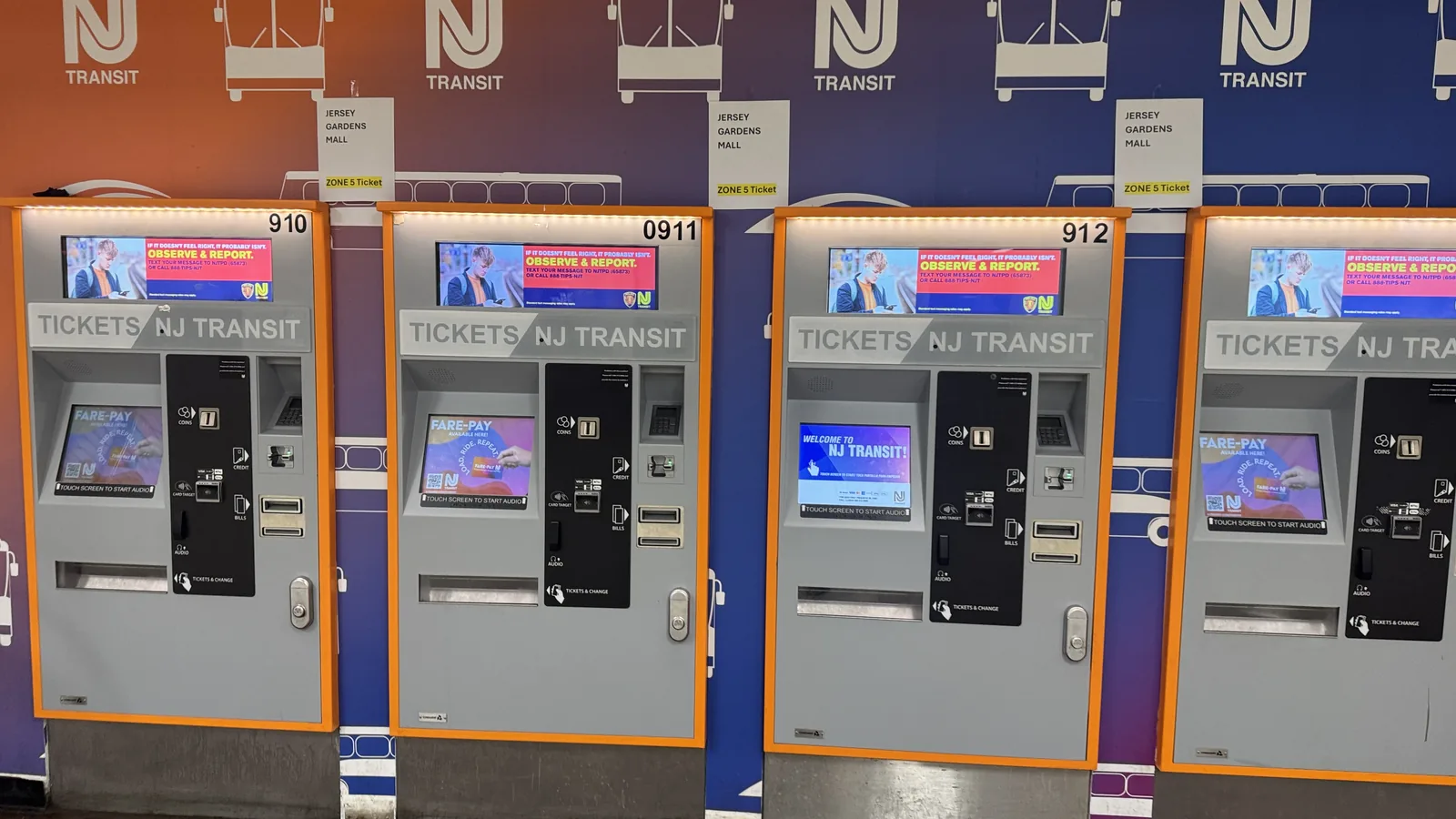
You can usually buy through the NJ TRANSIT app, which supports bus ticket purchases and activation. NJ TRANSIT app. Depending on the location and route, NJ TRANSIT also says tickets or value can be added at ticket vending machines at major bus terminals, bus park-and-rides, and light rail stations, including through the FARE-PAY system. FARE-PAY.
If you are boarding in New York at Port Authority for the return trip, you must buy before boarding because operators do not accept cash there on ticket-required departures. NJ TRANSIT states this on route schedules and bus guidance. Example route PDF, How to Ride - Bus.
5) Board the bus
If you bought in the app, activate the ticket before boarding. NJ TRANSIT says riders using a mobile ticket should make sure it is activated, and if the bus has no validator, simply show the electronic ticket to the operator. How to Ride - Bus.
Where to buy NJ TRANSIT bus tickets for NYC trips
NJ TRANSIT app
For most riders, the easiest option is the official NJ TRANSIT app. NJ TRANSIT says the app can:
- plan trips
- purchase bus, rail, and light rail tickets and passes
- activate tickets
- show real-time arrivals and departures
This is especially useful for interstate trips because you can buy before reaching the gate or stop.
Ticket vending machines and terminals
NJ TRANSIT says ticket vending machines are available at all bus park-and-rides, major bus terminals, and light rail stations for adding tickets, passes, or value through FARE-PAY. FARE-PAY.
Paying on board
NJ TRANSIT says you must either have a purchased ticket or pay the exact fare on the bus, but that general rule has important exceptions. In particular, riders boarding at Port Authority Bus Terminal or George Washington Bridge Bus Station in New York must buy a ticket before boarding. How to Ride - Bus.
Also note that whether a line is exact fare, full service, or ticket required can vary by route, and NJ TRANSIT tells riders to check the route timetable for that information. Bus Tickets.
One-way tickets vs. other fare products
The right product depends on how often you ride.
One-way tickets
Best for occasional riders or first-time trips. NJ TRANSIT’s fare guide instructs riders to select One Way unless they are transferring from light rail in certain situations. Fare Guide.
Monthly passes
NJ TRANSIT offers different bus monthly pass types, including:
- Intrastate Monthly Passes for travel within New Jersey
- Intra-Commuter Monthly Passes on certain routes
- Interstate Monthly Passes for rides between New Jersey and New York City or Philadelphia
NJ TRANSIT also says interstate monthly passes are valid for interstate rides and for intrastate rides up to the number of zones on the pass. Rider Guide for Bus Customers.
Other products
Depending on route and eligibility, NJ TRANSIT also references products such as transfers, rail-pass bus usage, reduced fares, and stored-value or ticket functions on FARE-PAY. The available products and their rules can change, and some products do not apply to interstate NYC travel. Bus Tickets, Rider Guide, FARE-PAY.
Because fare products and validity rules can change, do not assume a blog post or old video is current. Always verify current fare products, prices, and validity rules with NJ TRANSIT before buying. NJ TRANSIT’s fare guide, tickets and fares page, and mobile app page are the best starting points.
What happens if I buy the wrong zone?
Usually, buying the wrong zone means one of two problems:
- You underpay because your ticket covers fewer zones than your trip.
- You overpay because you bought more zones than you needed.
For an underpaid ticket, the operator may require you to pay the difference or may not accept the ticket as-is, depending on the route, boarding location, and fare method. NJ TRANSIT’s materials make clear that the fare must match the number of zones traveled, and some routes are ticket-required from key terminals, so discovering an error at boarding can create delays. How to Ride - Bus, Fare Guide, example route PDF.
For an overpaid ticket, the practical problem is simpler: you likely paid more than necessary.
If you realize the mistake before boarding, the best move is to check the official route schedule again or ask NJ TRANSIT staff or customer service. If you realize it while boarding, tell the operator what happened and follow the operator’s instructions. Policies can differ by fare media and route, so this is another area where you should verify current rules directly with NJ TRANSIT.
Common mistakes first-time riders make
1) Assuming NYC trips use the same fare rules as local New Jersey trips
They often do not. Interstate travel has separate fare treatment, and intrastate transfers are not valid for travel to or from New York City. Rider Guide for Bus Customers.
2) Buying a ticket without checking the route’s zone map
The number of stops is not the same as the number of fare zones. NJ TRANSIT route PDFs are the reliable source for zone boundaries. Fare Guide.
3) Not activating a mobile ticket before boarding
NJ TRANSIT tells app users to activate their ticket before boarding. How to Ride - Bus.
4) Expecting to pay cash when leaving Port Authority
NJ TRANSIT says passengers departing from Port Authority Bus Terminal or George Washington Bridge Bus Station in New York must have a ticket or pass before boarding. How to Ride - Bus, Fare Guide.
5) Using outdated fare screenshots or old advice
NJ TRANSIT’s fare page currently notes that fares have changed systemwide, which is a reminder that prices and ticket rules are not permanent. Fare Guide.
Bottom line
NJ TRANSIT bus zones are just a way of measuring how far you ride on a route for fare purposes. For a trip between New Jersey and New York City, you usually need to know your exact destination, the route, and the number of zones before you buy. Use the official NJ TRANSIT route schedule PDF and the NJ TRANSIT app to confirm the correct interstate fare, and remember that boarding from Port Authority Bus Terminal or George Washington Bridge Bus Station requires a ticket or pass in advance.
Most importantly, verify current fares, ticket validity, boarding rules, and pass policies directly with NJ TRANSIT before you travel, because those details can change.
If your weekend plans involve driving instead — say, a museum trip with the family — see our NJ driver’s parking guide for The Met, AMNH, and NYPL for toll timing and garage strategy.
If you arrive at Port Authority with bags and your hotel room is not ready yet, see where to store luggage in NYC for options near Midtown and Penn Station.