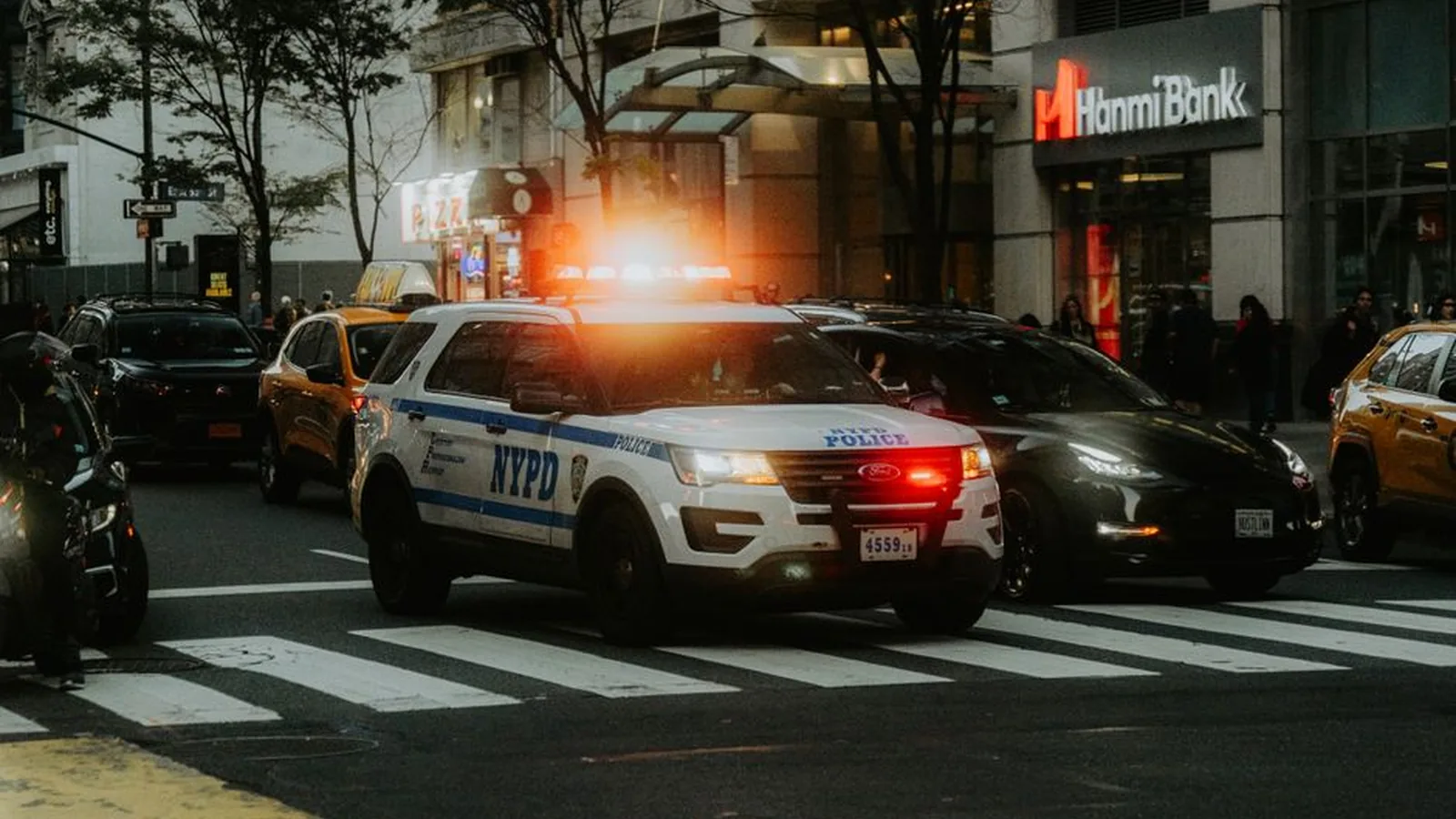
If you are in a car accident in New York City, the right next steps depend on whether anyone is hurt, whether a vehicle can be moved, and how much damage occurred. In NYC, you should call 911 right away if anyone is injured or killed, if a domestic animal is injured or killed, if a parked vehicle or other property is damaged and the owner cannot be found, or if a vehicle needs to be towed. For property-damage-only crashes, police reporting is generally not required, but New York State still requires a DMV crash report if the crash caused more than $1,000 in damage to the property of any one person. That report must be filed within 10 days. NYC311 and the New York DMV.
First: make sure everyone is safe
Stop your vehicle and stay at the scene. Under New York rules, leaving the scene after a crash is illegal, even when the collision involves only property damage. The DMV says drivers must stop, exchange information, and remain involved in the reporting process. New York DMV Driver Manual, Chapter 12.
If anyone might be hurt, treat it as a medical situation first. Call 911 immediately. The same applies if someone was killed, a domestic animal was injured or killed, a parked car or other property was damaged and the owner cannot be located, or the vehicle needs towing. Those are the specific situations NYC311 instructs people to report through 911. NYC311.
If the cars are drivable and it is safe to do so, move them out of active traffic lanes. The DMV advises moving vehicles off the road when possible and protecting the scene. New York DMV Driver Manual, Chapter 12.
Check for injuries, even if everyone says they are fine
Adrenaline can hide symptoms. A person may feel normal at the scene and still develop signs of a concussion or other injury hours later. The CDC notes that some mild traumatic brain injury or concussion symptoms may appear right away, while others may not show up for hours or days. CDC.
Get prompt medical attention if you hit your head, feel dizzy, have a headache, nausea, confusion, balance problems, unusual sleepiness, or any other concerning symptom. Seek emergency care right away for danger signs such as worsening confusion, slurred speech, repeated vomiting, seizures, or trouble waking up. CDC and New York State Department of Health.
Even for less dramatic injuries, medical records matter. If you later need no-fault benefits, uninsured motorist protection, or a liability claim, early evaluation helps connect the injury to the crash.
Exchange the required information
In a property-damage-only crash, the DMV says you must exchange information with the other involved drivers. At minimum, share and collect:
- Full name and address
- Driver license number
- Vehicle registration information
- Insurance company information
- Insurance policy number and effective date, if available on the card
That requirement appears in the DMV driver manual, and the NYPD page on non-injury collisions says the same basic rule applies in New York City. New York DMV Driver Manual, Chapter 12 and NYPD Non-Injury Vehicle Collisions.
If the other driver refuses to cooperate, do not escalate into an argument in the street. Try to safely document the plate number, vehicle make and model, and the driver if visible, then call 911 if the situation involves injury, a blocked roadway, or another circumstance that requires police response. If it is a hit-and-run or you cannot obtain insurance details, you may still be able to pursue benefits through your own insurer or, in some cases, the Motor Vehicle Accident Indemnification Corporation. MVAIC and New York DMV.
Document the scene carefully
As long as it is safe, gather evidence before vehicles are moved too far or the parties leave. Useful documentation includes:
- Photos of all vehicles from multiple angles
- Close-ups of damage
- Photos of license plates and VIN stickers if visible
- Wide shots showing lane position, traffic signs, signals, skid marks, and debris
- The exact location, date, and time
- Weather and road conditions
- Names and contact information of witnesses
Also make notes about what happened while it is fresh in your memory. Include the direction each vehicle was traveling, which lane you were in, whether you were stopped or moving, and anything said by the other driver.
This information can be critical if the damage estimate grows later or if the facts are disputed.
Know when police reporting is required in NYC
A common point of confusion is the difference between calling police at the scene and filing a DMV crash report later.
For calling 911 in NYC, NYC311 says to do so if:
- Anyone is injured or killed
- A domestic animal is injured or killed
- A parked vehicle or other property is damaged and the owner cannot be located
- A vehicle needs to be towed
For property-damage-only crashes, NYC says police reporting is not otherwise required. NYC311.
That does not mean there is no reporting obligation at all. New York State law still requires a report to the DMV if the crash caused a fatality, personal injury, or more than $1,000 in damage to the property of any one person. New York DMV and MV-104 form.
File DMV Form MV-104 if the crash is reportable
If the crash meets the reporting threshold, file a Report of Motor Vehicle Accident / Crash (MV-104) with the New York State DMV within 10 days. The DMV says a reportable crash is one involving:
- A fatality
- A personal injury
- More than $1,000 in damage to the property of any one person
The official filing instructions and form are on the DMV site. New York DMV crash report page and MV-104 form.
Do not guess low just because the damage looks minor. Modern bumpers, sensors, lights, cameras, and body panels are expensive. A scrape that seems small can exceed $1,000 once a shop writes an estimate.
The consequences for not filing can be serious. The MV-104 form states that your license and/or registration may be suspended until a report is filed, and the DMV’s suspension information also lists failure to file a crash report as a basis for suspension action. MV-104 form and DMV suspensions and revocations.
Notify your insurance company quickly
Even if you are not sure you will make a claim, report the crash to your insurer promptly. Your policy may require timely notice, and delaying can complicate coverage.
If you were injured, New York’s no-fault system adds an especially important deadline. The Department of Financial Services says you should file written notice of claim with the no-fault insurer as soon as reasonably practicable, but no later than 30 calendar days after the accident unless you can provide a clear and reasonable justification for late filing. After receiving notice, the insurer must send an application for benefits and an explanation of rights and obligations within five business days. New York Department of Financial Services.
In practical terms, if you are hurt:
- Get medical care.
- Notify your auto insurer right away.
- Ask how to open a no-fault claim.
- Track every medical visit, bill, work absence, and out-of-pocket expense.
Understand New York no-fault basics
New York is a no-fault insurance state. That means your own no-fault coverage generally pays certain basic economic losses after a car accident, regardless of who caused the crash. The Department of Financial Services explains that lawsuits for auto accidents are limited by the no-fault system, and claims for pain and suffering generally require a legally defined “serious injury.” DFS Auto Insurance Resource Center.
New York courts repeatedly apply the “serious injury” threshold in Insurance Law § 5102(d). In general, that threshold includes categories such as death, fracture, significant disfigurement, loss of a fetus, permanent loss or significant limitation of use, or a medically determined impairment that prevents substantially all usual daily activities for at least 90 of the first 180 days after the injury. New York Courts.
For most readers, the takeaway is simple: do not assume every injury claim works the same way in New York. No-fault deadlines, documentation, and injury thresholds matter.
If the other driver is uninsured or leaves the scene
If the other vehicle is uninsured or the driver cannot be identified, there may still be options. The Motor Vehicle Accident Indemnification Corporation, or MVAIC, exists to provide no-fault and bodily injury coverage to eligible claimants in certain uninsured or hit-and-run situations. MVAIC.
Eligibility rules are specific, so act quickly. Preserve photos, witness information, and any police or DMV reporting records, then notify your insurer and ask whether uninsured motorist or MVAIC procedures may apply.
Special NYC situations to keep in mind
If your car was towed
If a vehicle needs to be towed from the scene, that is one of the circumstances in which NYC311 says to call 911. If your vehicle is later towed or impounded in the city, NYC advises using the Towed Vehicle Locator or contacting 311 to find it. NYC311 and NYC Department of Finance.
If a parked car or property was hit
If you hit a parked vehicle or other property and cannot locate the owner, you should notify police. That is specifically called out by both NYC311 and the DMV driver manual. NYC311 and New York DMV Driver Manual, Chapter 12.
If a domestic animal was injured
NYC311 also specifically requires a 911 call if a domestic animal is injured or killed in the collision. NYC311.
A practical checklist for the first 24 hours
Use this as a simple post-crash workflow:
At the scene
- Stop and stay at the scene
- Call 911 if anyone is injured or killed, a domestic animal is injured or killed, the owner of damaged property cannot be found, or a vehicle needs towing
- Move vehicles out of traffic if it is safe
- Exchange license, registration, and insurance information
- Photograph damage, plates, the location, and road conditions
- Get witness names and contact details
After leaving the scene
- Seek medical care for any pain, head impact, dizziness, or concerning symptoms
- Notify your insurer as soon as possible
- Start a file with photos, estimates, receipts, and medical records
- Decide whether the crash likely crossed the $1,000 reportable threshold
- File MV-104 within 10 days if the crash was reportable
In the days that follow
- Follow up on repair estimates
- Watch for delayed symptoms
- File your no-fault notice within 30 days if you were injured
- Keep copies of everything you submit
Bottom line
After a car accident in NYC, focus first on safety and emergencies. Call 911 when the city says you must, exchange information, document everything, and do not ignore the separate DMV reporting rule. If the crash caused injury, death, or more than $1,000 in damage to any one person’s property, file MV-104 with the New York DMV within 10 days. If you are injured, notify the no-fault insurer quickly because a 30-day notice deadline may apply. Taking those steps early can protect both your health and your legal rights.
Sources
- NYC311: Vehicle Accident
- New York DMV: File a Motorist Crash (Accident) Report
- New York DMV: MV-104 Report of Motor Vehicle Crash (PDF)
- New York DMV Driver Manual, Chapter 12: If You Are in a Traffic Crash
- NYPD: Non-Injury Vehicle Collisions
- New York Department of Financial Services: Filing Claims Under Your Own Policy
- New York Department of Financial Services: Auto Insurance Information for Consumers
- CDC: Symptoms of Mild TBI and Concussion
- New York State Department of Health: If Your Head Was Hurt, Get Checked (PDF)
- New York Courts: discussion of New York serious injury threshold
- MVAIC
- NYC Department of Finance: Retrieve a Towed Vehicle
- New York DMV: Suspensions and Revocations
- New York DMV: Get Insurance Information After a Crash