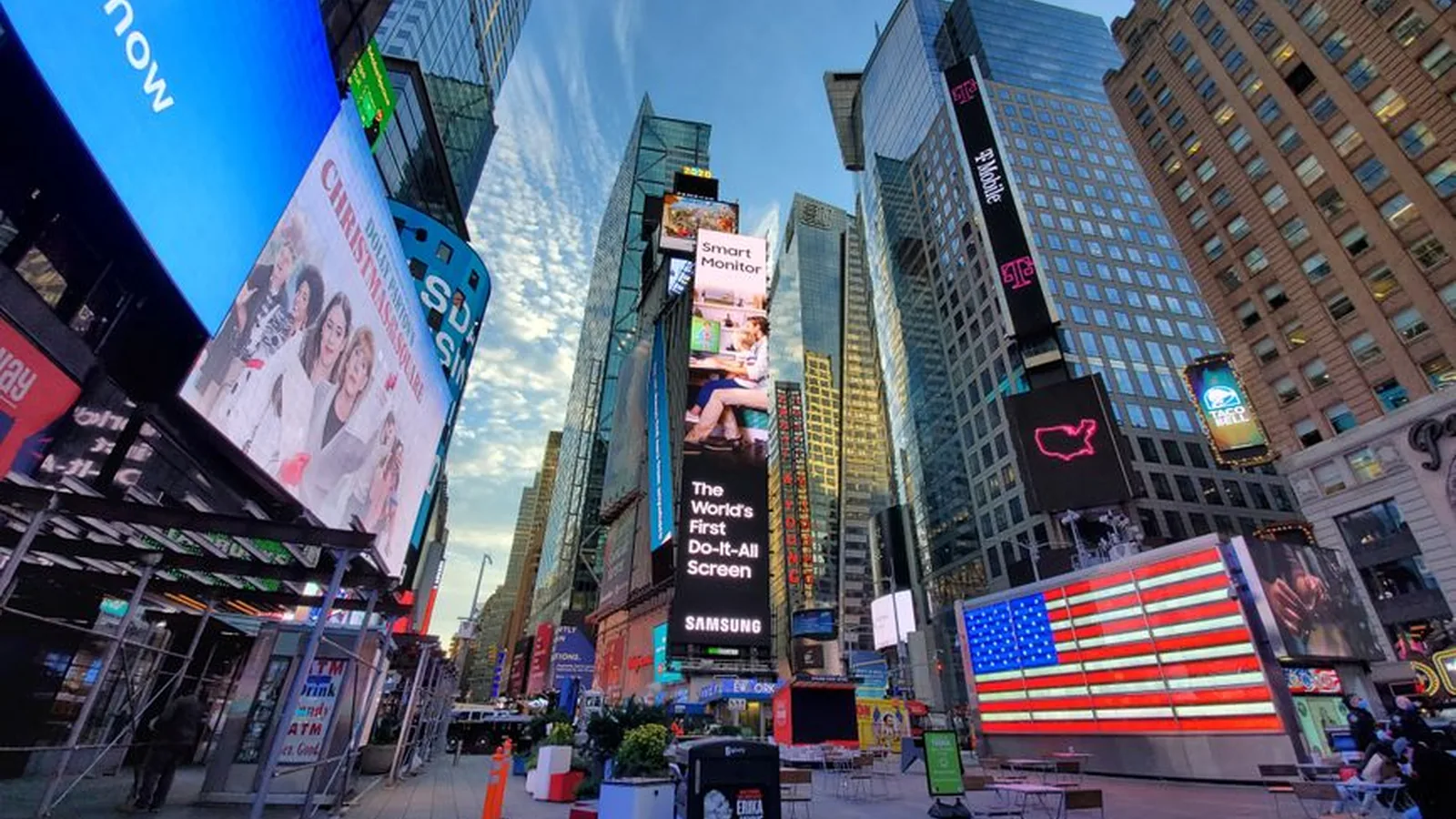
New York City is busy, loud, and full of legitimate hustle. That can make it hard for visitors to tell the difference between normal city energy and a scam. In June 2026, the New York City Council’s Oversight and Investigations Division published Taken For a Ride, an investigation into tourism scams involving unlicensed taxis, pedicabs, and ferry-ticket vendors in high-traffic areas. The report found inflated prices, deceptive advertising, illegal operations, and aggressive sales tactics concentrated in places visitors naturally go first, including Battery Park and Times Square. (NYC Council press release; Taken For a Ride report)
This guide breaks the problem into five practical red flags you can spot in seconds, plus what to do instead.
1) They look “official,” but won’t clearly prove it
One of the easiest ways scammers win trust in New York is by borrowing the appearance of authority. According to Taken For a Ride, investigators found Battery Park ticket vendors wearing bright vests labeled things like “authorized ticket agent,” even though many were not properly licensed and were selling unauthorized tours. The same report says many operators across the industries it reviewed falsely presented themselves as licensed. (Taken For a Ride report)
That same basic tactic shows up elsewhere too:
- a driver approaches you and says your taxi or rideshare is “right here”
- a ticket seller insists the official booth is closed or sold out
- a street vendor acts like they are part of a government, park, or attraction operation
- a person in a costume or entertainment setup behaves as if payment is required by rule rather than by choice
For Times Square specifically, the Times Square Alliance says costume characters are not officially licensed, and you are not required to tip them, although a tip is commonly expected if you choose to pose for a photo. Aggressive behavior should be reported. (Times Square Alliance visitor FAQ)
What to do instead
- Ask to see the required license or posted identification before paying.
- If a person gets defensive when you ask basic questions, walk away.
- Assume unsolicited help near major attractions is sales, not public service.
- Use official booths, official apps, or inside-the-building counters instead of sidewalk pitches.
2) The real price is vague, hidden, or changing mid-conversation
If the total cost is slippery, treat that as a major warning sign.
The City Council investigation found that Battery Park vendors often quoted one price but failed to disclose extra transportation charges to the pier where their tour boats actually departed. Its summary of findings says vendors quoted one price and then charged more per ticket. (Taken For a Ride report)
Pedicabs are another common problem area. New York City requires pedicabs to clearly post per-minute rates, and pedicab timers must comply with city requirements and be inspected and sealed by the Department of Consumer and Worker Protection. (DCWP pedicab rules; Taken For a Ride report) But the Council’s investigators found misleading pedicab pricing and obscured rate signs in Times Square. (Taken For a Ride report)
Price-related phrases that should make you stop
- “Don’t worry, I’ll take care of you.”
- “It’s only $X to start.”
- “That price is per person/per minute/plus fees.”
- “Cash is easier.”
- “I’ll explain after you get in.”
What to do instead
Before you agree, get the full price structure in plain language:
- Is it total or per person?
- Is it per minute, per ride, or per stop?
- Are taxes, fees, gratuity, or transportation included?
- Where exactly does the service begin and end?
If the answer is not immediate and clear, do not continue.
3) They are steering you away from the official seller or legal pickup process
Scams often depend on separating you from the legitimate option.
Battery Park ferry-ticket scams
For Statue of Liberty and Ellis Island trips, the National Park Service warns that Statue City Cruises is the only ferry service authorized to sell tickets for and provide transportation to Liberty and Ellis Islands. Tickets can be bought at the official Statue City Cruises ticket windows inside Castle Clinton in The Battery or through the official operator. (National Park Service directions page; Statue City Cruises)
The Council report found that unauthorized sellers in Battery Park pushed “Statue of Liberty boat tours,” falsely claimed the official ferries were sold out, and in some cases promised Statue or Ellis Island stops that never happened. (Taken For a Ride report)
Illegal street-hail drivers
The NYC Taxi and Limousine Commission warns that only yellow and green taxis can legally accept street hails. If a black car or other for-hire vehicle solicits you from the curb, at an airport, or outside a big venue, that is an illegal street hail. TLC says the risks include no trip record, overcharging, possible licensing issues, and inadequate insurance. (TLC illegal rides guidance; TLC public safety page)
What to do instead
- For Statue of Liberty/Ellis Island, buy only from the official operator and official ticket locations.
- For curbside taxi pickups, use yellow or green cabs only.
- For app rides, confirm the plate, driver name, and app match before entering.
- Never follow a stranger who says the “real” pickup point is somewhere else.
If someone says the official option is unavailable, verify it yourself on your phone or by asking uniformed staff inside the official facility.
4) You’re being rushed, blocked, followed, or pressured to decide immediately
Pressure is not just rude behavior; it is one of the clearest scam signals.
The Council investigation documented aggressive tactics in Battery Park, including vendors blocking entrances, following tourists, and pressuring them into buying unofficial tickets. Investigators also reported hostility when they questioned sellers about licenses. (Taken For a Ride report) The report’s own advice to tourists is simple: protect yourself by using licensed services, verifying pricing in advance, and avoiding people who pressure you into fast, costly decisions. (Taken For a Ride report)
This red flag applies well beyond ferries and pedicabs. In Times Square, a “free” photo, “free” CD, “free” bracelet, or “quick question” can become a demand for payment once you engage. Even when the setup is not outright illegal, the pressure tactic is the same: create a tiny social commitment, then escalate it.
What to do instead
Use a short script and keep moving:
- “No, thank you.”
- “I already have tickets.”
- “I’m not interested.”
- “I only buy from official counters.”
Do not debate. Do not explain. Do not stop walking unless you have chosen to engage.
If someone physically blocks your path, behaves aggressively, or makes you fear for your safety, move toward a staffed business, a police officer, or a visible security presence and call 911 in an emergency.
5) They want you to scan a random QR code or pay through an unfamiliar link
The newest tourist-scam red flag is digital: a QR code on a flyer, window, pole, fake sign, parking-style notice, or printed handout that sends you to a payment or “verification” page.
New York State’s Office of Information Technology Services warns that QR-code phishing scams, often called quishing, use malicious QR codes to send people to phishing sites that steal credentials or install malware. The agency specifically says to be wary of QR codes in public places such as street signs, restaurant menus, parking kiosks, and storefront windows, and to verify the source before scanning. (New York State ITS guidance)
The Federal Trade Commission has also warned about QR-code scams and advises people not to trust links or prompts just because they appear connected to a familiar name or situation. (FTC consumer advice; FTC scam avoidance guidance)
Common tourist versions of quishing
- a fake attraction ticket page linked from a sidewalk sign
- a “skip the line” QR code near a landmark
- a payment code handed to you by a street seller
- a fake menu or reservation code outside a restaurant
- a bogus “confirm your ride” or “tour waiver” code
What to do instead
- Prefer official websites you type in yourself.
- If you scan, inspect the web address before entering payment details.
- Be suspicious of misspellings, odd domains, or pages that ask for unusual permissions.
- Use a credit card rather than debit, wire transfer, or crypto for travel purchases when possible; New York State specifically notes that legitimate booking platforms will not ask for cryptocurrency. (New York State ITS guidance)
A quick scam-proof routine for major tourist areas
When you arrive at a crowded attraction, use this 30-second check:
Stop
If anyone approaches you first, assume it is a sales pitch.
Verify
Look for official signage, official counters, posted rates, and visible licenses.
Compare
Check the price and seller against the attraction’s official website or app.
Pay safely
Use a mainstream credit card and avoid cash-only pressure whenever possible.
Walk away
If anything feels rushed, vague, or oddly theatrical, leave.
If you already got scammed in NYC
You still have options, especially if you act quickly.
1) Document everything
Take screenshots, photos of signs or licenses, receipts, card charges, vehicle plates, app details, and the exact location and time.
2) Report it to NYC
The NYC Department of Consumer and Worker Protection says you can file a consumer complaint, and NYC’s tourist consumer-protection materials direct visitors to call 311 or use the city’s complaint systems. (DCWP complaint page; NYC tourist consumer protection flyer) If the problem involves a pedicab or ticket seller, NYC311 has dedicated complaint categories for those issues. (NYC311 pedicab complaint; NYC311 ticket seller complaint)
3) Report crimes or immediate safety issues to NYPD
The NYPD says the best way to file a complaint report is with an officer on the scene or at a precinct; for non-emergencies, call 311. (NYPD victim services FAQ)
4) Report broader fraud to the FTC
The FTC encourages people to report scams at ReportFraud.ftc.gov, where the information can help investigators build cases. (FTC reporting guidance; FTC why report fraud)
5) Contact your card issuer
If you paid by credit card, ask about a charge dispute as soon as possible.
Bottom line
In NYC, the most common tourist scams in 2026 are not especially sophisticated. They usually reveal themselves through the same five warning signs: fake-looking authority, unclear pricing, detours away from official sellers, pressure to decide fast, and risky QR-code or payment links. The June 2026 Taken For a Ride investigation shows these tactics are still active in places like Battery Park and Times Square. Your best defense is simple: slow the interaction down, verify who you are dealing with, and buy only through official or clearly licensed channels. If someone is pushing you to act before you can check, that is usually the check you needed.
For the licensed-taxi pricing you should expect instead of a street-hail flat rate, see our NYC yellow taxi fare guide. And if you need somewhere safe to leave bags rather than trusting a stranger’s offer, see where to store luggage in NYC.
Sources
- NYC Council press release on Taken For a Ride
- Taken For a Ride (June 2026 PDF), NYC Council Oversight and Investigations Division
- National Park Service: Statue of Liberty directions and official ferry warning
- Statue City Cruises official information
- NYC Taxi and Limousine Commission: Illegal rides
- NYC Taxi and Limousine Commission: Public safety
- NYC Department of Consumer and Worker Protection: Pedicab information
- Times Square Alliance Visitor FAQ
- New York State Office of Information Technology Services: QR-code “quishing” guidance
- FTC: How to avoid a scam
- FTC: Scam alert on QR codes
- NYC DCWP: File a consumer complaint
- NYC311: Pedicab complaint
- NYC311: Ticket seller complaint
- NYPD victim services FAQ
- FTC: Report fraud